Skip to content
ShadowWorks Consulting

Custom business tools & prototypes

A focused tool for the way your business works.

Sometimes a particular task needs a clearer interface, a better way to use information or a working version of an idea you want to test.

We shape and build focused business tools and prototypes, starting with the job they need to do and the people who will use them.

What we build

Build around a specific need.

Internal tools

A simpler way for your team to capture information, review work, track actions or move through a defined process.

Dashboards and reporting views

A focused view of agreed information, designed around the questions you need to answer.

Calculators and decision tools

Turn agreed rules and assumptions into a usable tool for estimates, comparisons or planning.

Product prototypes

A working version of a core idea to explore the experience, gather feedback and decide what to develop.

We first consider whether an existing tool can do the job. Where a custom build makes sense, we keep the scope tied to a clear use case.

Prototype or production

Are you testing an idea or preparing a tool for everyday use?

A prototype to learn from

A prototype answers a defined question: does the idea make sense, does the workflow feel useful and what do users need next? Any simulated data, incomplete connections or features still to be developed are made clear.

A tool to use in the business

A tool for ongoing use needs an agreed standard for access, data handling, reliability, testing and support. We define those before delivery and make clear who will own and maintain the result.

Delivery

Define the job. Build the useful part. Test it with people.

We start by describing the user, the task and what a successful result looks like. From there, we map the essential screens or steps, build the agreed scope and review it against practical acceptance criteria.

Depending on the engagement, you receive:

  • A defined scope covering users, functionality and acceptance criteria.
  • A working prototype or tool with its current capabilities clearly identified.
  • Testing notes and a record of known limitations or remaining work.
  • Handover documentation and agreed access to the relevant build assets and accounts.
  • Recommendations for the next stage, including support or specialist work where required.

Hosting, software licences, ownership and ongoing maintenance are agreed in the proposal.

Larger platforms

Need more than a single tool? We build connected platforms too.

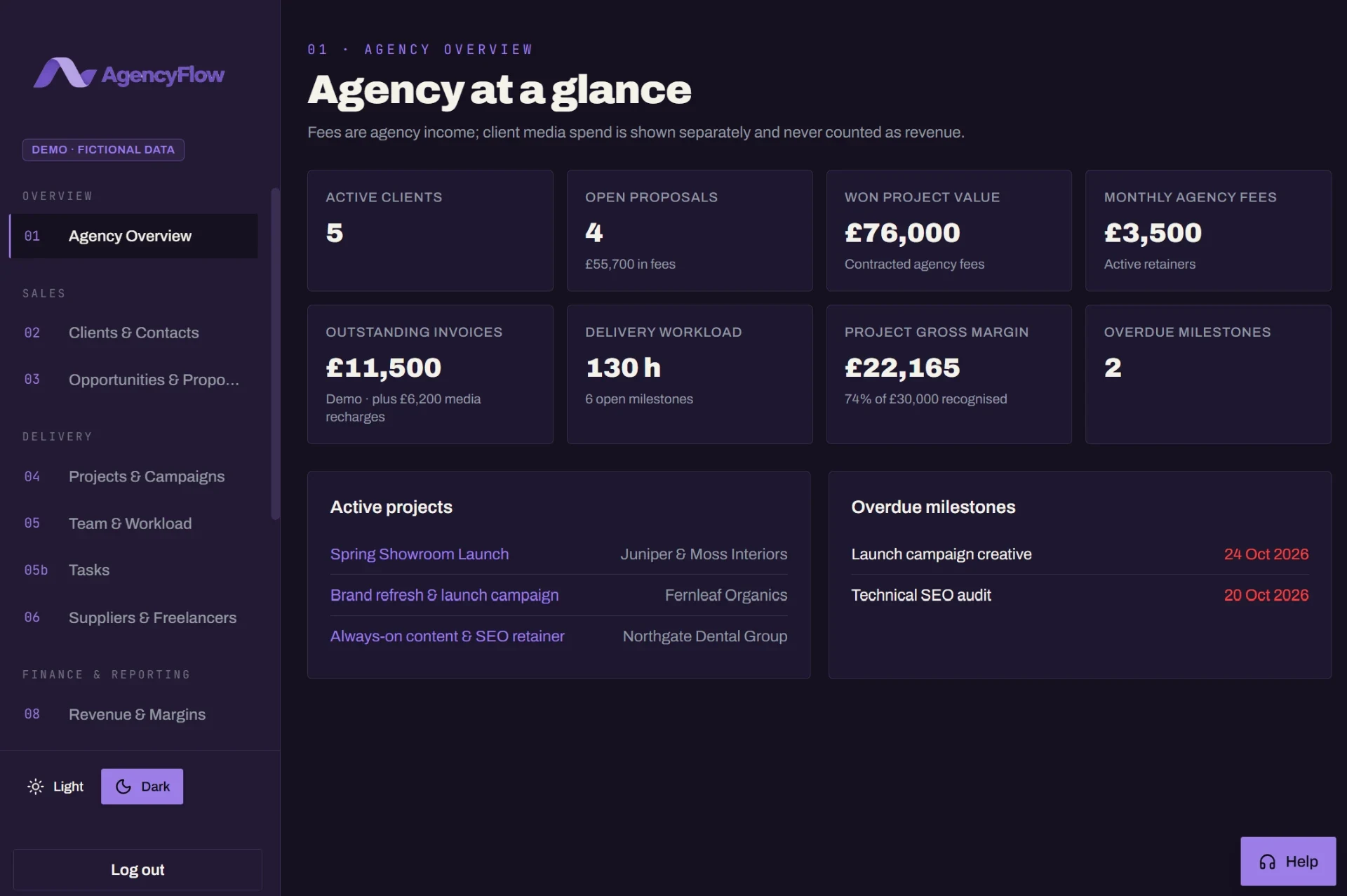
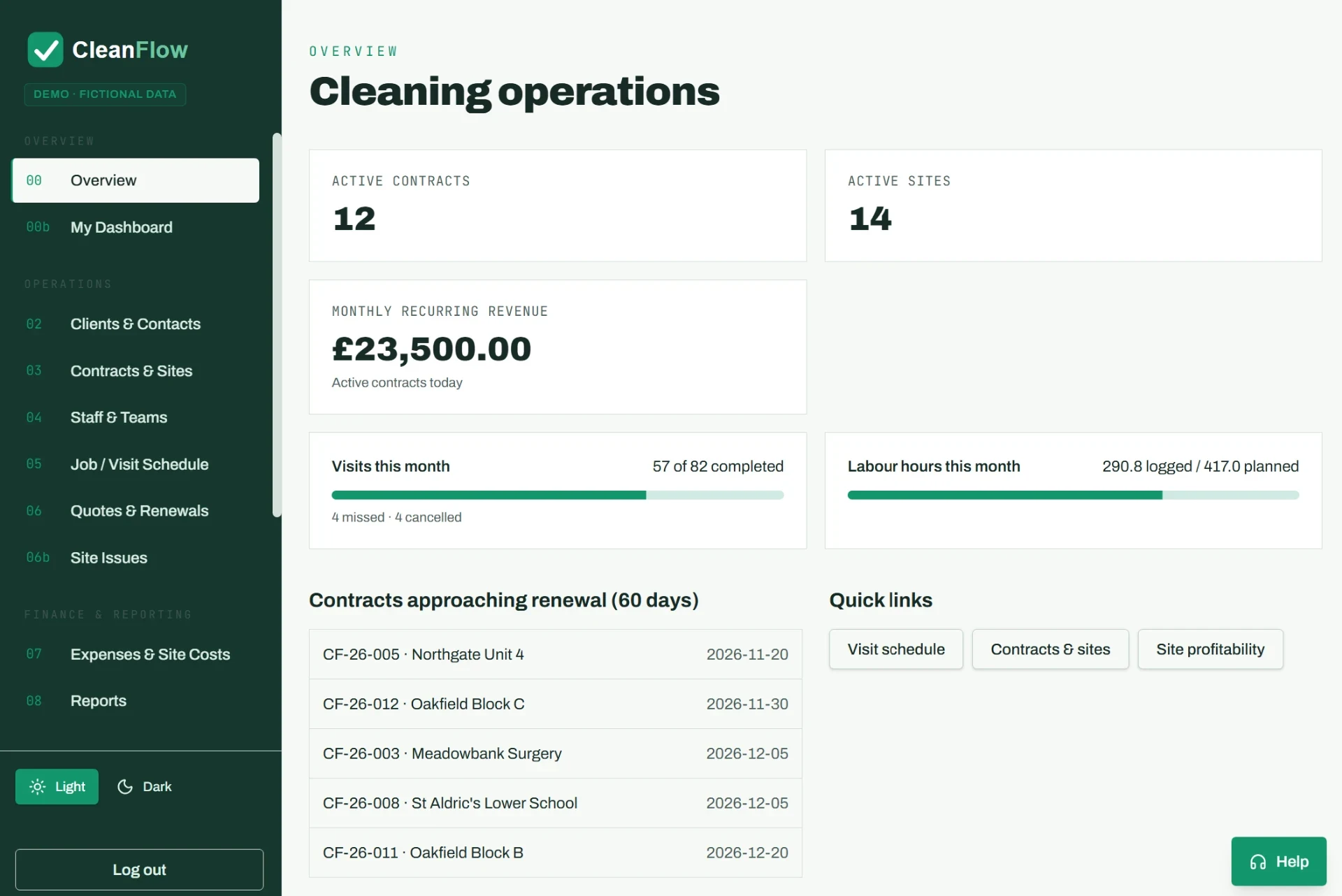
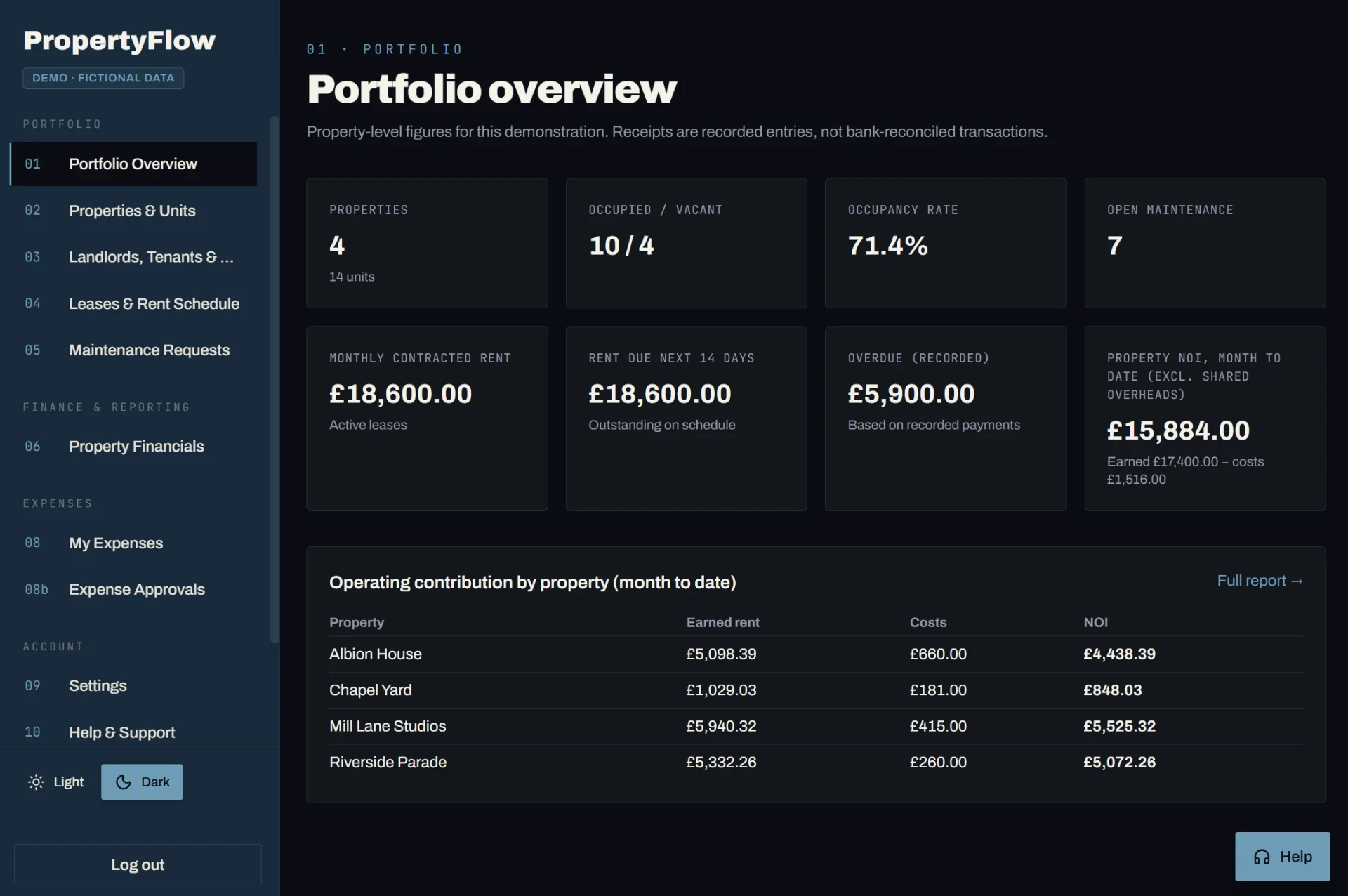
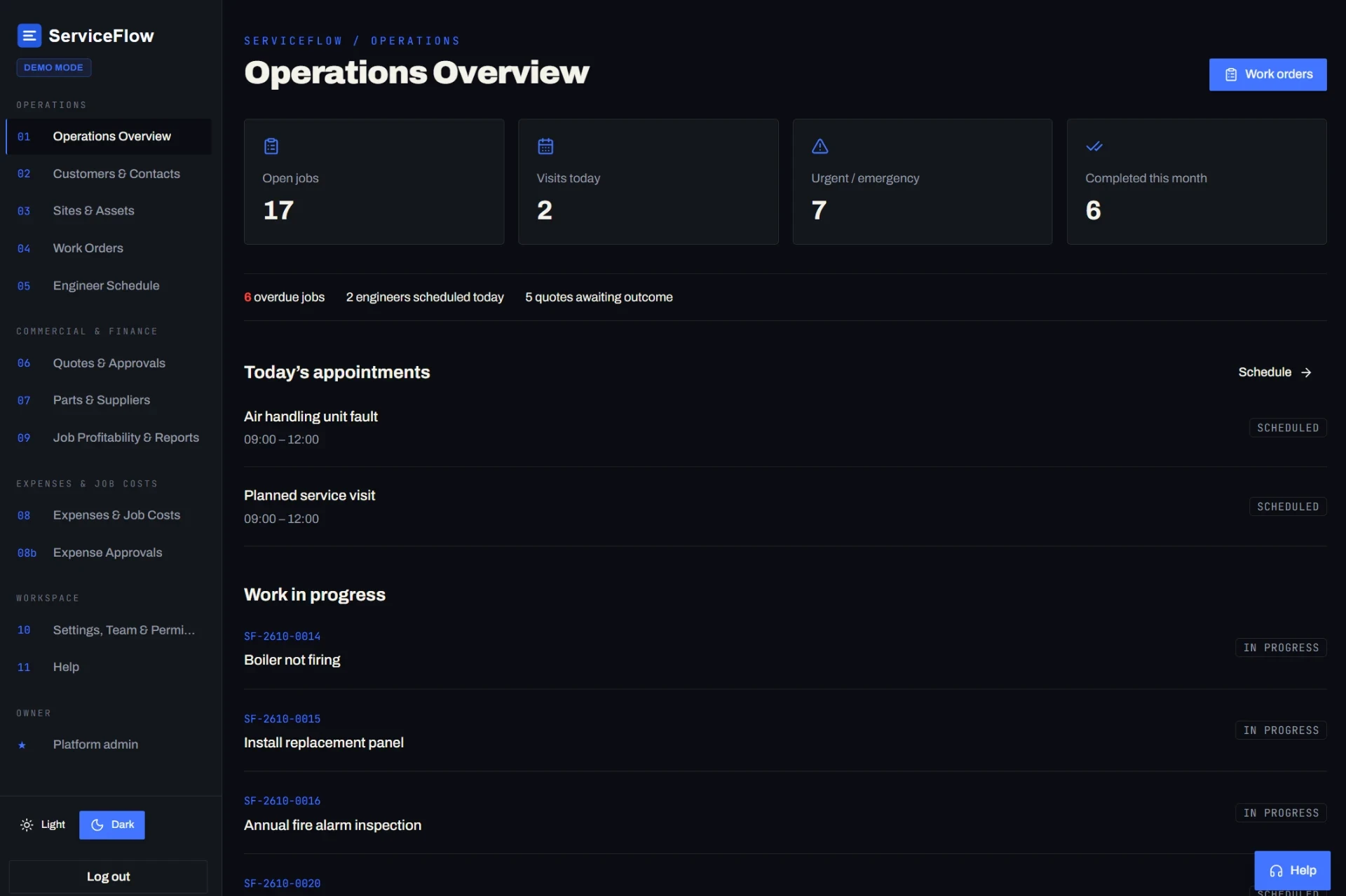
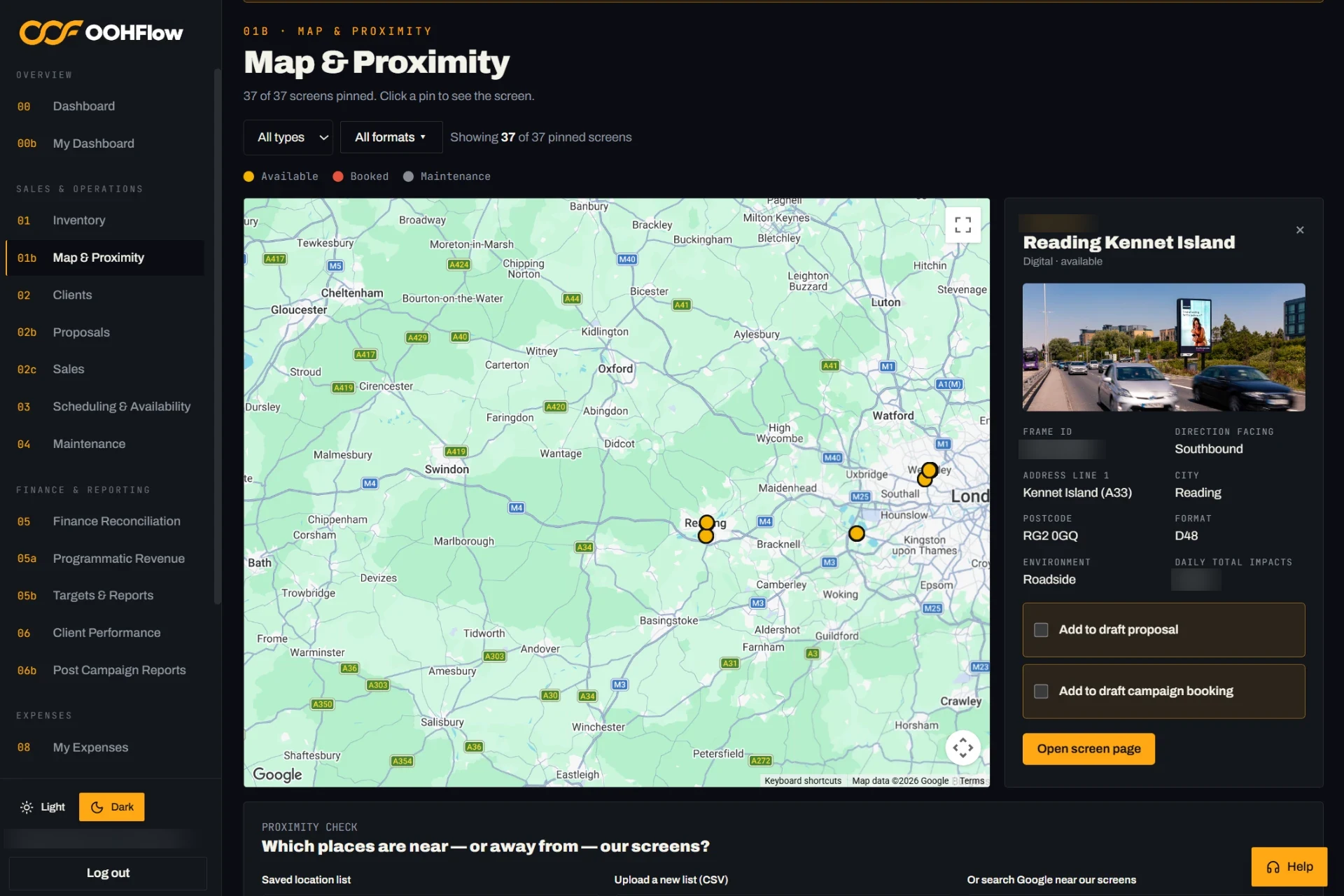
From focused tools to full operational systems — here are five platforms we have built for different industries.

Examples illustrate the types of platforms ShadowWorks can develop. Some are fictional-data demonstrations. Features, integrations, security hardening and deployment scope vary by project and must be separately agreed for commercial use.

Example

Give a repeated planning task a clearer starting point.

Illustrative scenario

An agency estimator

Problem
An agency prepares project estimates in separate spreadsheets. Assumptions vary and options are hard to compare consistently.
Tool approach
Build a focused estimator using agreed inputs, calculation rules and a clear summary of the assumptions behind each result.
Intended result
A more consistent way to prepare and review estimates, while keeping commercial judgement with the person responsible.

Illustrative example, not an existing client project. Calculation rules and outputs would need to be tested before use.

FAQ

Common questions

Does a custom tool have to use AI?

No. The tool should suit the job. Clear inputs, useful information and a straightforward workflow may be enough. AI can be included where it serves a defined purpose.

Can a prototype become a live product?

Potentially, but that is a separate decision. We review what has been learned and what further engineering, testing, infrastructure and support would be needed before agreeing a next stage.

Can you improve something we already use?

We can start by reviewing the existing tool, access to its underlying build and the changes you need. That review helps determine whether an improvement or a new approach is practical.

Who owns and maintains the tool?

Ownership, access, hosting, licences and maintenance responsibilities are set out in the proposal. Ongoing support can be agreed around the intended use.

Let's talk

What would make this task easier to do?

Bring the problem, the spreadsheet or the idea. We can explore whether a focused tool or prototype is a useful way forward.

Need to connect existing systems and processes? Explore AI implementation and automation. Building a digital product for your audience? See support for creators.